The One-In-One-Out Rule sounds almost too simple to make a difference, but don't let that fool you. If you've ever decluttered a room, felt incredibly proud of yourself, and then found it looking suspiciously cluttered again a few months later, you're not alone.
The truth is that decluttering isn't usually the hardest part. Maintaining the results is where most of us struggle. New clothes arrive, kitchen gadgets multiply, and somehow that tidy drawer becomes a jumble again.
That's exactly why the One-In-One-Out Rule works so well. It helps stop clutter before it builds up by creating a simple habit you can use every day. Instead of waiting until your home feels overwhelming, you're preventing excess belongings from accumulating in the first place.
In this post, we'll explore how the One-In-One-Out Rule works, why it's one of the most effective rules for decluttering, and how you can use it to keep your home organised long after your latest decluttering session.
What Is the One-In-One-Out Rule?
The One-In-One-Out Rule is exactly what it sounds like.
Whenever a new item enters your home, an existing item leaves.
Buy a new jumper? Donate an old one.
Bring home a new mug? Remove one you never use.
Replace a kitchen gadget? Let go of the older version.
The goal isn't to own as little as possible. Instead, it's to stop your belongings from constantly growing.
This is one of the simplest rules for organizing because it turns decluttering into an ongoing habit rather than a once-a-year event. Instead of waiting until you're surrounded by clutter, you're making small decisions as you go.
9 Ways the One-In-One-Out Rule Keeps Clutter Under Control
1. It Stops Your Home Slowly Filling Back Up
Most clutter doesn't appear overnight.
It arrives one purchase at a time.
A new top here.
A decorative cushion there.
Another water bottle because it was on sale.
The One-In-One-Out Rule helps keep those small additions from snowballing into a bigger problem. Every new item has a cost, not necessarily financial, but spatial.
By keeping your belongings balanced, you're practising one of the most practical organization rules for long-term clutter control.
2. It Makes Shopping More Intentional
When you know something has to leave before something new can stay, you naturally become more selective.
Instead of buying things because they're cheap, convenient, or trendy, you start asking yourself:
Is this worth replacing something I already own?
That simple question can reduce impulse purchases dramatically.
As a result, you're not just clearing clutter, you're preventing it.
3. It Creates Natural Limits
Every home has a limit.
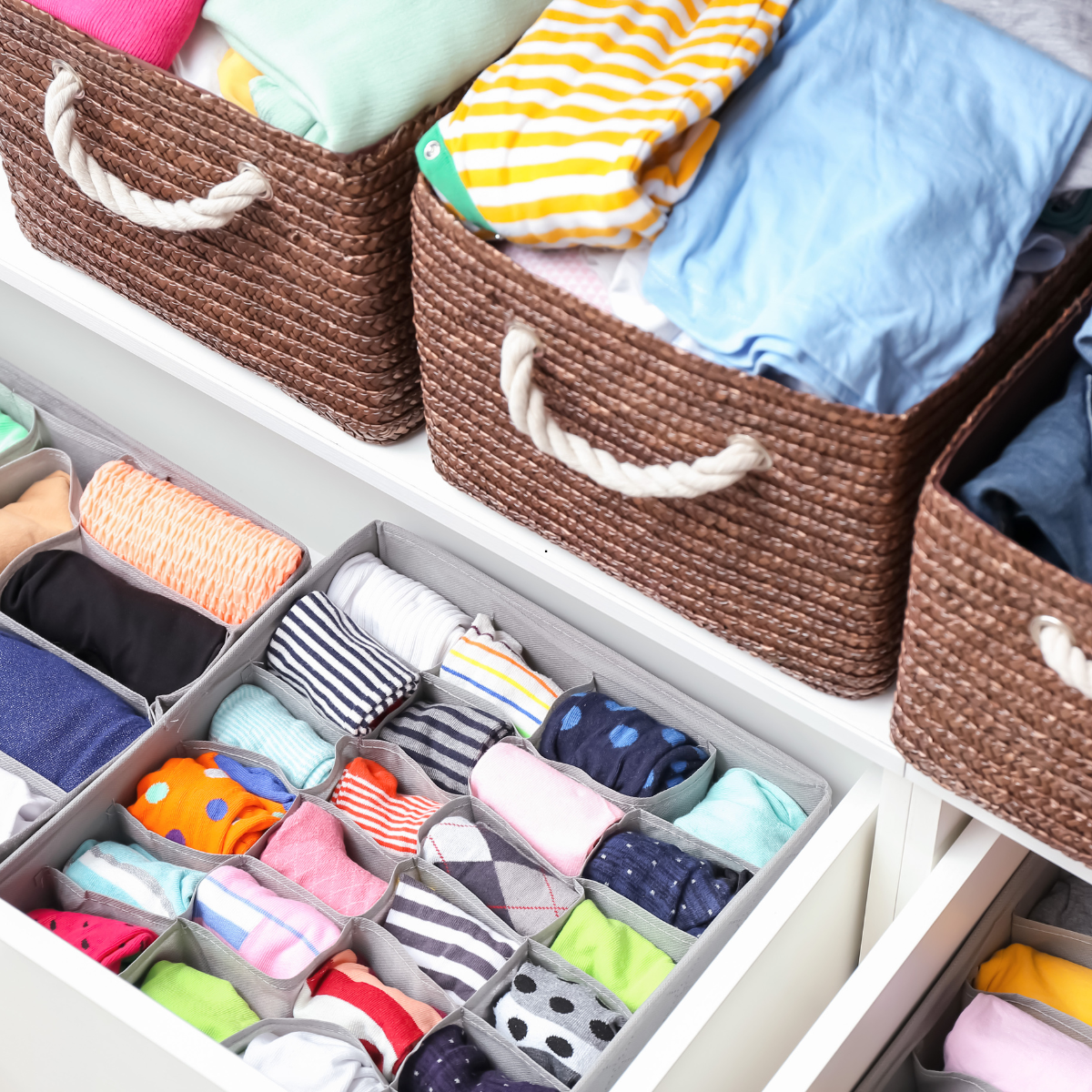
Every cupboard, wardrobe, drawer, and shelf can only hold so much before it starts feeling overcrowded.
The One-In-One-Out Rule helps you respect those limits.
This is why it works so well alongside The Container Rule: The Decluttering Secret That Stops Clutter Before It Starts. The Container Rule sets the boundary, while the One-In-One-Out Rule helps you stay within it.
Together, they're two of the most effective golden rules of organization you can follow.
4. It Helps You Identify What You Actually Use
When you're forced to choose which item leaves, you quickly discover what matters most.
That favourite jumper you wear every week?
It stays.
The one that's been hanging untouched for two years?
Maybe not.
The same applies to kitchen gadgets, books, toiletries, and countless other items.
In fact, you'll often notice that you regularly use a surprisingly small percentage of what you own. That's exactly what The 80/20 Decluttering Rule: Why You Only Use a Fraction of What You Own explores in more detail.
5. It Prevents "Just in Case" Clutter
Many of us hold onto things because we think we might need them someday.
The problem is that those "just in case" items quickly add up.
Extra cables.
Spare mugs.
Duplicate tools.
Old stationery.
The One-In-One-Out Rule encourages you to question whether you really need to keep everything.
While change is hard, learning to let go of excess belongings becomes easier when you're doing it regularly rather than facing one giant decluttering session.
6. It Reduces Decision Fatigue
One reason people avoid decluttering home projects is because they feel overwhelming.
Hundreds of decisions.
Multiple rooms.
Hours of sorting.
The One-In-One-Out Rule spreads those decisions out over time.
Instead of tackling a mountain of clutter later, you're making one small choice whenever something new enters your home.
As a result, decluttering feels far more manageable.
7. It Works in Every Room of the House
One of the best things about this rule is its flexibility.
You can use it almost anywhere.
Wardrobes
New clothes in, old clothes out.
Kitchens
New gadgets or mugs in, old ones out.
Bathrooms
New products replace products you've finished or no longer use.
Toy Storage
New toys arrive, older toys get donated.
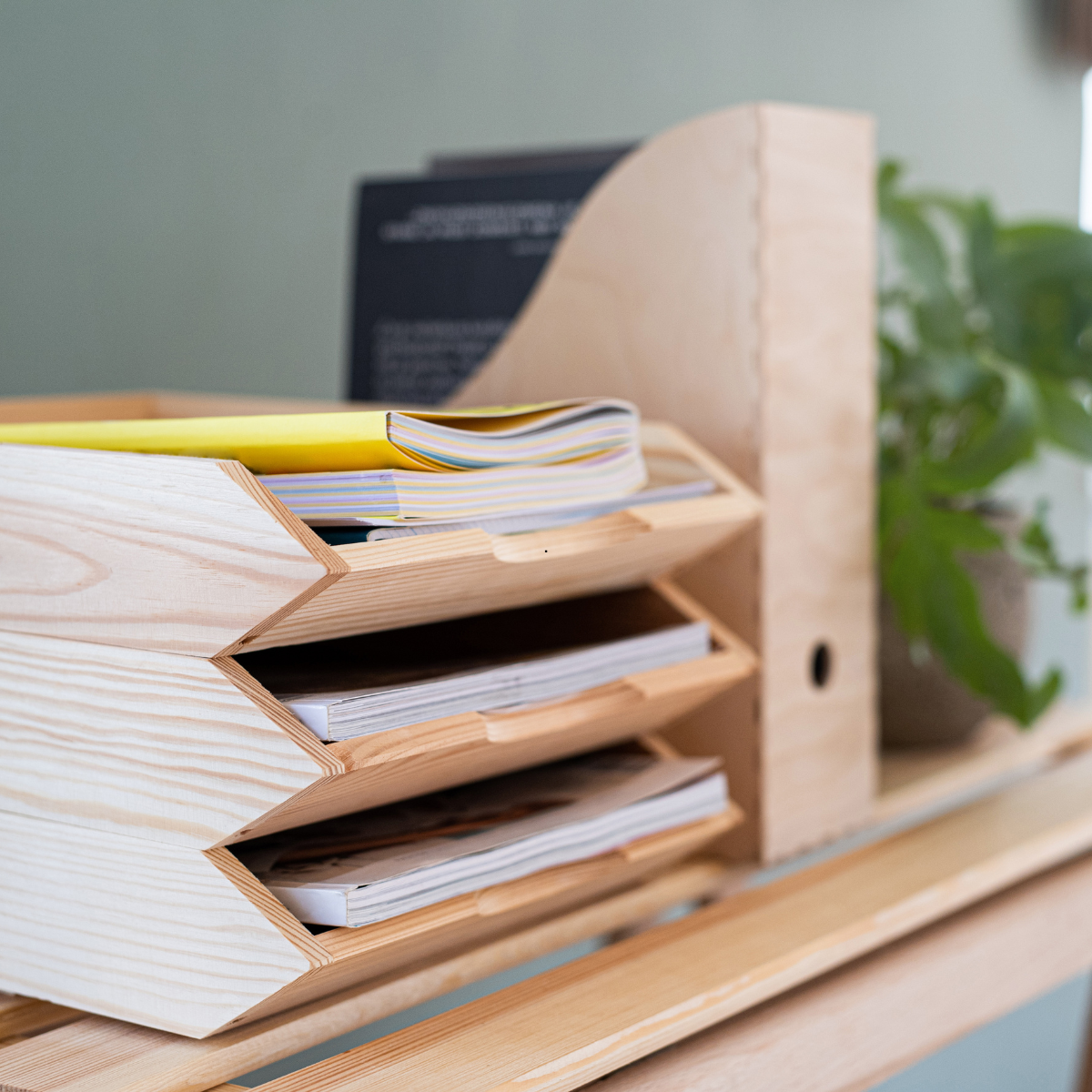
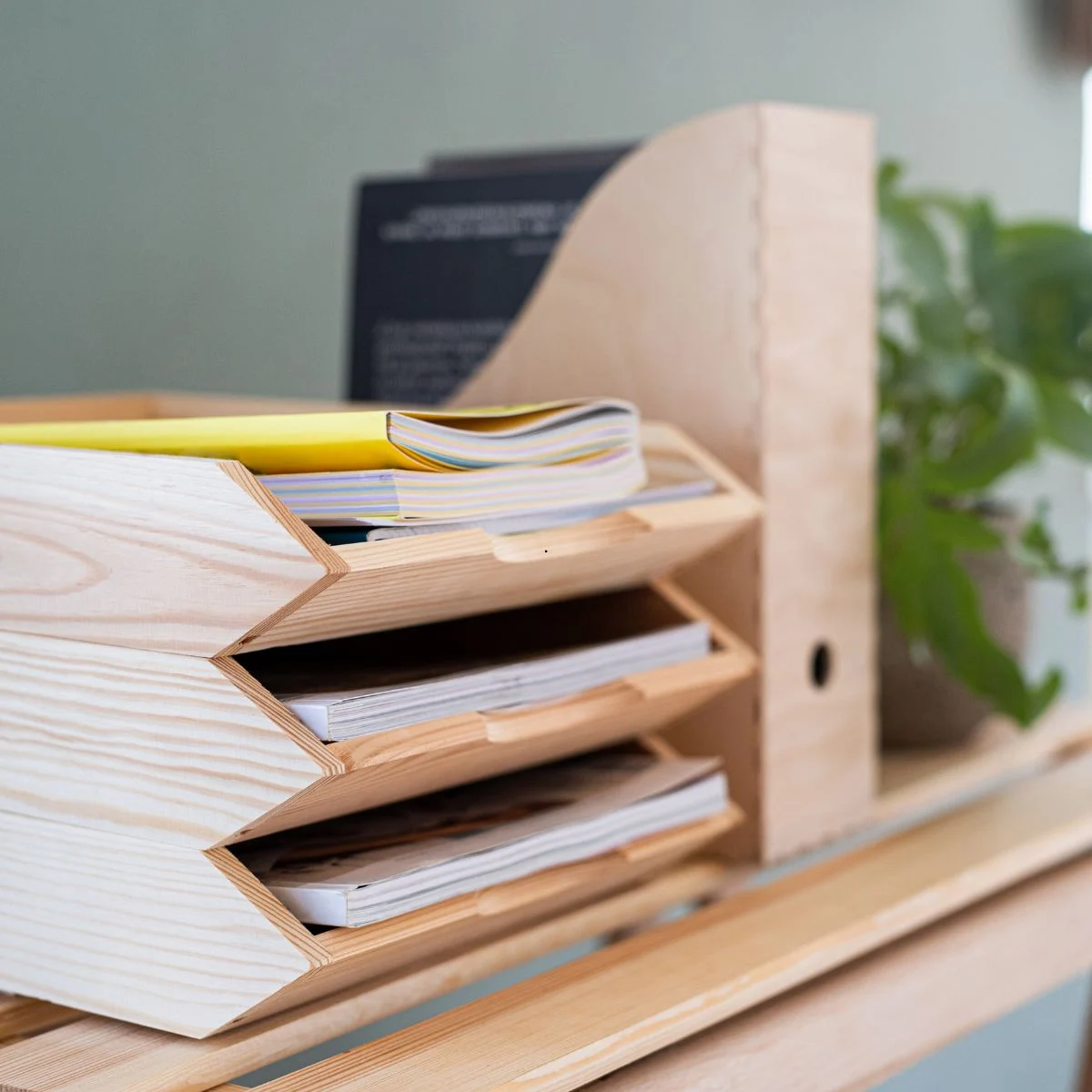
Paperwork
New documents come in, old paperwork gets shredded or filed.
This makes it one of the most useful basic house rules and common house rules for maintaining an organised home.
8. It Helps You Stay Below Your Clutter Threshold
Everyone has a different tolerance for clutter.
Some people can comfortably manage more possessions than others.
However, once you cross your personal limit, your home often starts feeling stressful and difficult to maintain.
The One-In-One-Out Rule helps prevent that.
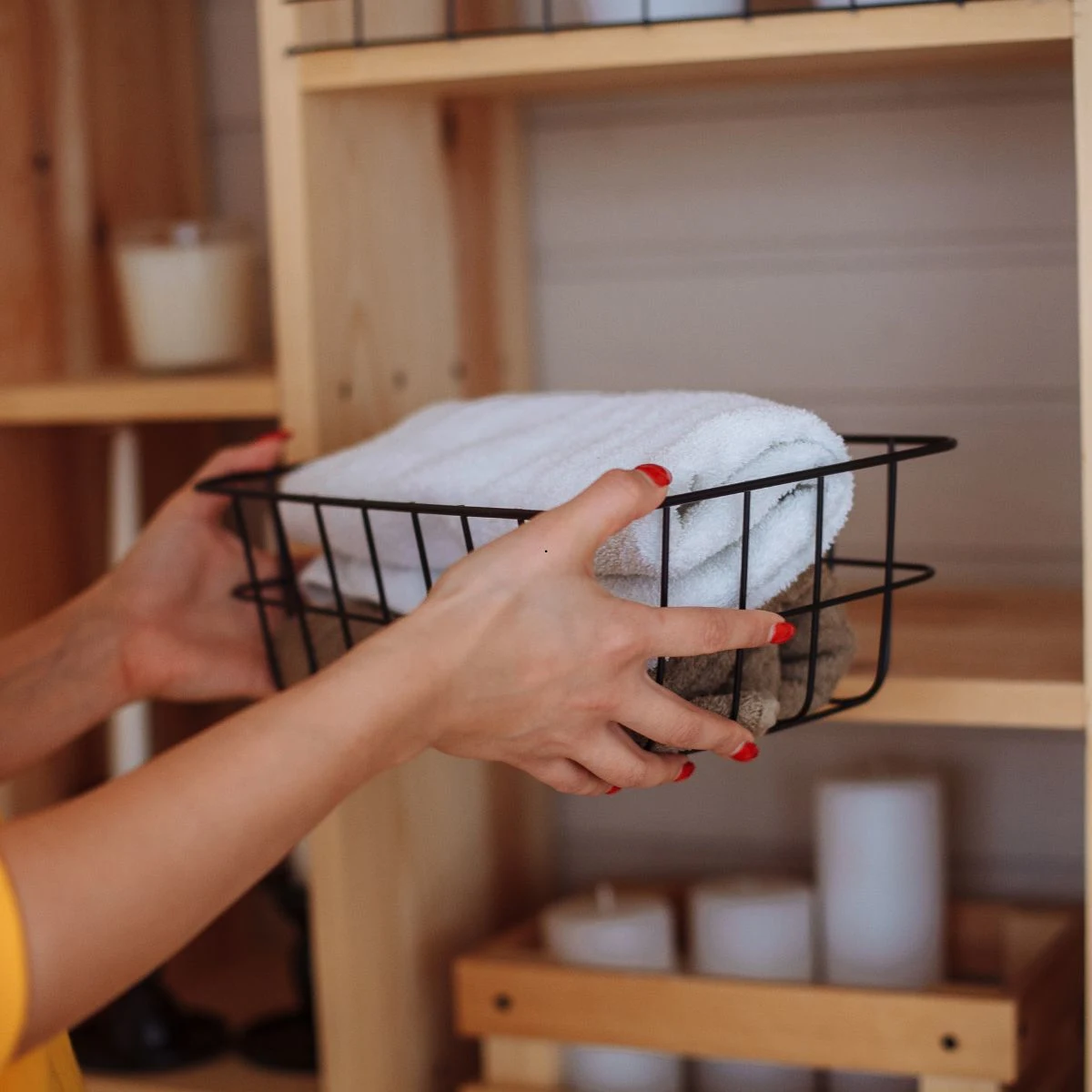
If you're interested in understanding your personal limit, read The Clutter Threshold Rule: How Much Stuff Is Too Much? It's a great companion to this rule and helps explain why some homes feel overwhelming even when they don't look particularly cluttered.
9. It Makes Future Decluttering Easier
Perhaps the biggest benefit of all is that future decluttering becomes much simpler.
Because you're constantly removing items as new ones arrive, there's less accumulation over time.
That means:
- Smaller decluttering sessions
- Easier home maintenance
- Less stress
- Faster tidying
In other words, you're creating a sustainable system rather than relying on motivation alone.
How to Start Using the One-In-One-Out Rule Today
The easiest way to start is with categories that naturally receive new items.
Good places to begin include:
- Clothing
- Shoes
- Books
- Kitchenware
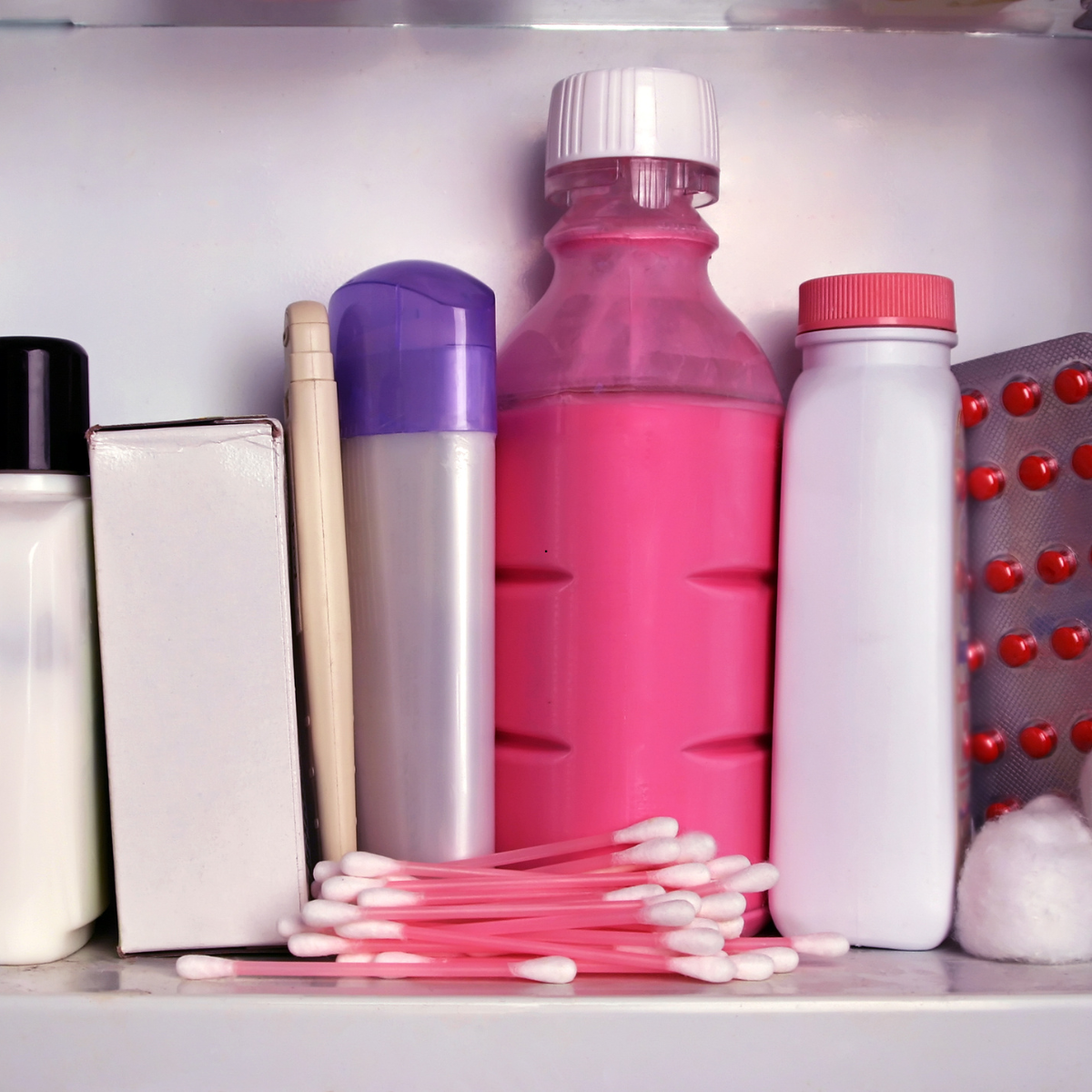
- Toiletries
Don't worry about applying it perfectly straight away.
Focus on consistency instead.
Like many easy decluttering techniques, the real magic comes from repetition rather than perfection.
A One-In-One-Out Challenge for This Week
For the next seven days, challenge yourself to remove one item whenever a new item enters your home.
Keep a note of what leaves.
You might be surprised by how quickly the habit becomes automatic.
More importantly, you'll start noticing how much easier it is to maintain a tidy home when clutter never gets the chance to build up in the first place.
Read These Next
- The Container Rule: The Decluttering Secret That Stops Clutter Before It Starts
- The Clutter Threshold Rule: How Much Stuff Is Too Much?
- The 80/20 Decluttering Rule: Why You Only Use a Fraction of What You Own
Conclusion
The One-In-One-Out Rule is one of the simplest yet most effective rules for decluttering because it prevents clutter from returning after you've worked hard to clear it.
By creating a habit of balancing what comes in and what goes out, you'll find it much easier to maintain a calmer, more organised home.
Next Steps
"A clutter-free home isn't created by one big decluttering session—it's built through small daily habits."
Read This Next: The Container Rule: The Decluttering Secret That Stops Clutter Before It Starts
The One-In-One-Out Rule helps maintain your space, while the Container Rule helps you set the limits in the first place. Together, they create a simple system that keeps clutter firmly under control.