Many of us assume clutter is caused by a lack of storage. However, that's often not the real problem. More often, clutter happens because we own more than our space can comfortably hold. That's where the Container Rule comes in.
The Container Rule is one of the most practical rules for organizing because it helps you set limits before clutter takes over your home. Instead of focusing on finding more places to put things, it encourages you to work within the space you already have.
If you're looking for realistic tips for decluttering home, easy decluttering techniques, and a simple way to create lasting clutter control, this rule is well worth adding to your toolkit.
What Is the Container Rule?
The Container Rule is based on one simple idea: the container decides how much you can keep.
Rather than deciding what you want to own and then finding storage to fit it all, you allow the available space to set the limit. Every drawer, cupboard, shelf, basket, and wardrobe in your home acts as a container.
For example, if your wardrobe is full, the solution isn't automatically to buy another rail or squeeze in more hangers. Instead, it's a sign that you've reached the limit of what that space can comfortably hold.
This is one of the most effective rules for decluttering because it removes much of the emotion from decision-making. Rather than asking yourself whether you might need something one day, you simply ask whether it fits within the space you've allocated for it.
Why More Storage Often Creates More Clutter
When people start decluttering home projects, one of the first things they often do is buy storage.
Storage baskets.
Drawer dividers.
Extra shelving.
Matching containers.
While these items can be useful, they don't solve the underlying problem if there's simply too much stuff.
In fact, additional storage can sometimes make clutter worse because it allows us to keep more than we actually need. Instead of reducing the volume of belongings, we simply find new places to hide them.
That's why many people feel like they're constantly organising but never truly getting ahead. The clutter is contained, but it hasn't actually been reduced.
If this sounds familiar, you may also find value in The Clutter Threshold Rule: How Much Stuff Is Too Much? That post explores why some homes begin to feel overwhelming long before they are physically full.
How the Container Rule Works in Real Life
One of the best things about the Container Rule is that it works in every room of the house.
Wardrobes
A wardrobe can only comfortably hold a certain number of clothes. When clothes are packed tightly together or start spilling into other rooms, it's often a sign that the container has reached its limit.
Kitchen Cupboards
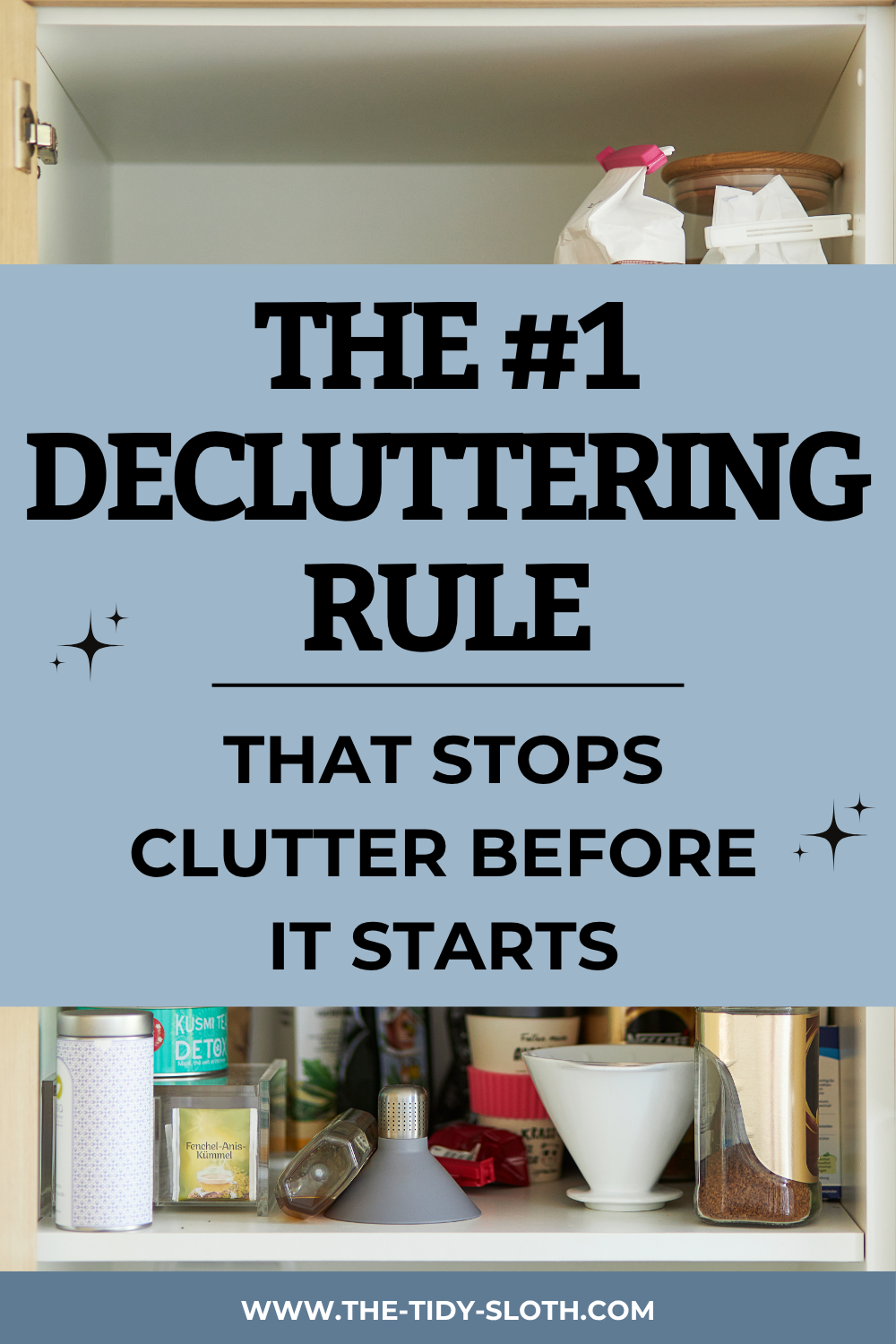
Kitchen clutter has a habit of building up slowly. Extra mugs, duplicate utensils, takeaway containers, and gadgets can quickly fill available space. The Container Rule encourages you to keep only what comfortably fits.
Bathroom Storage
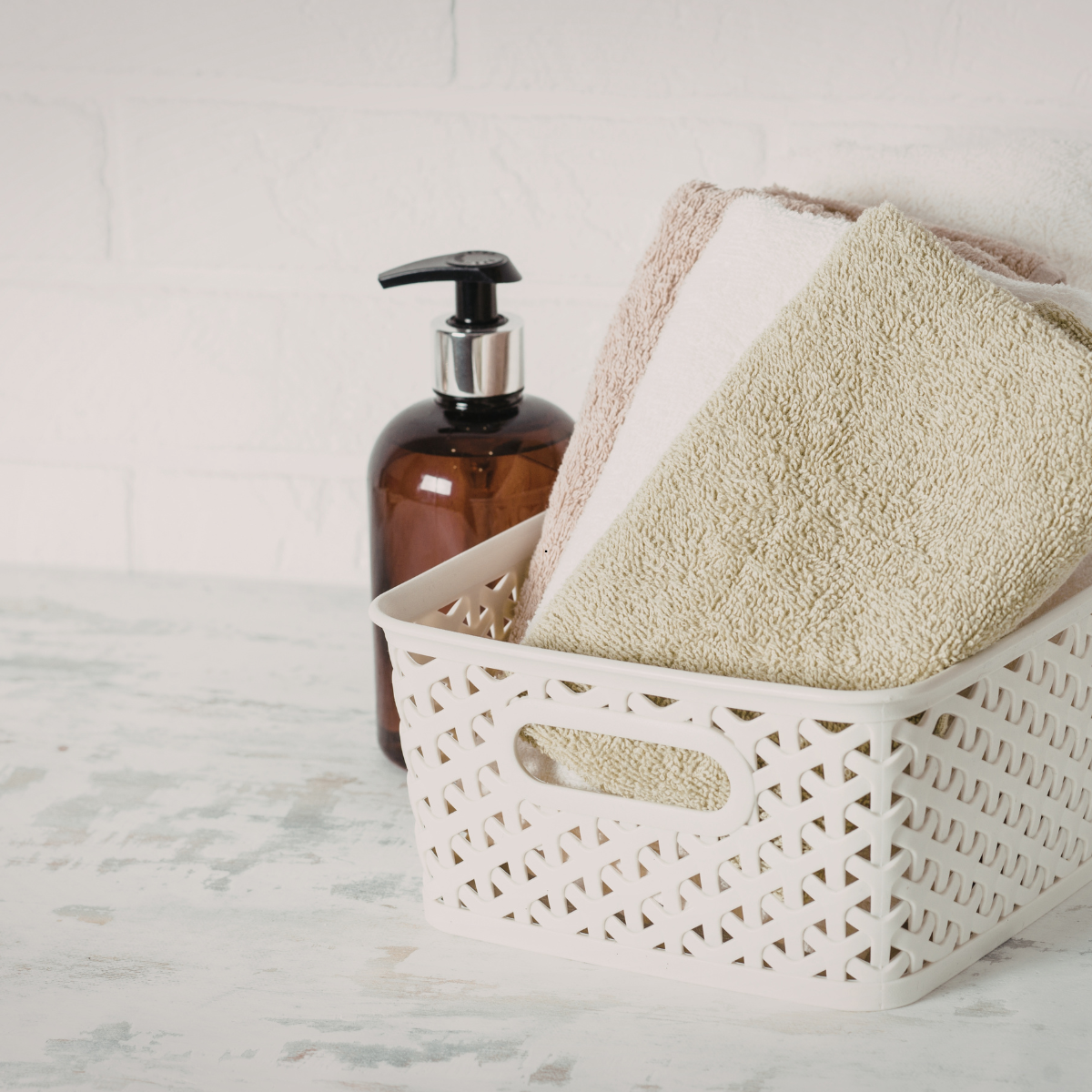
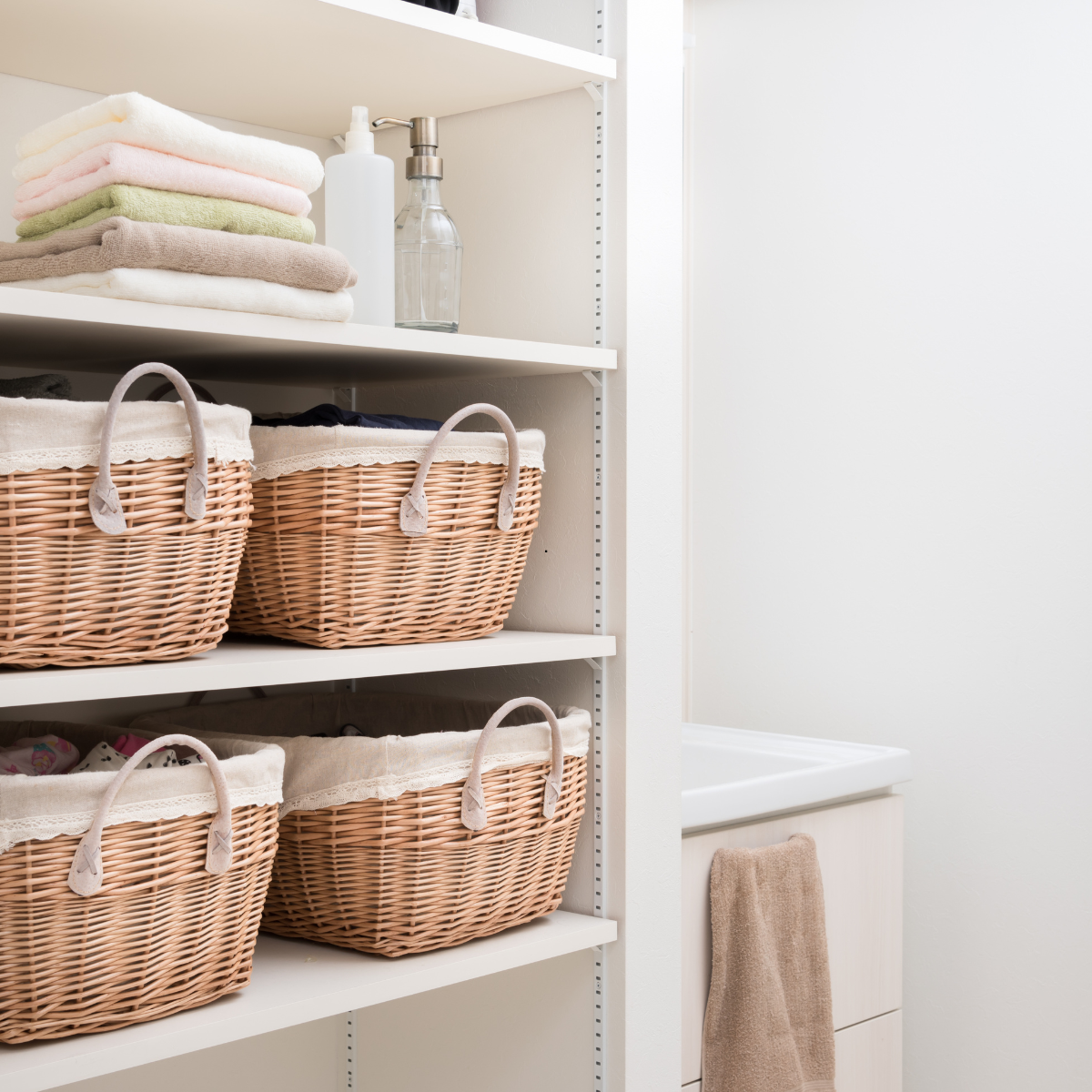
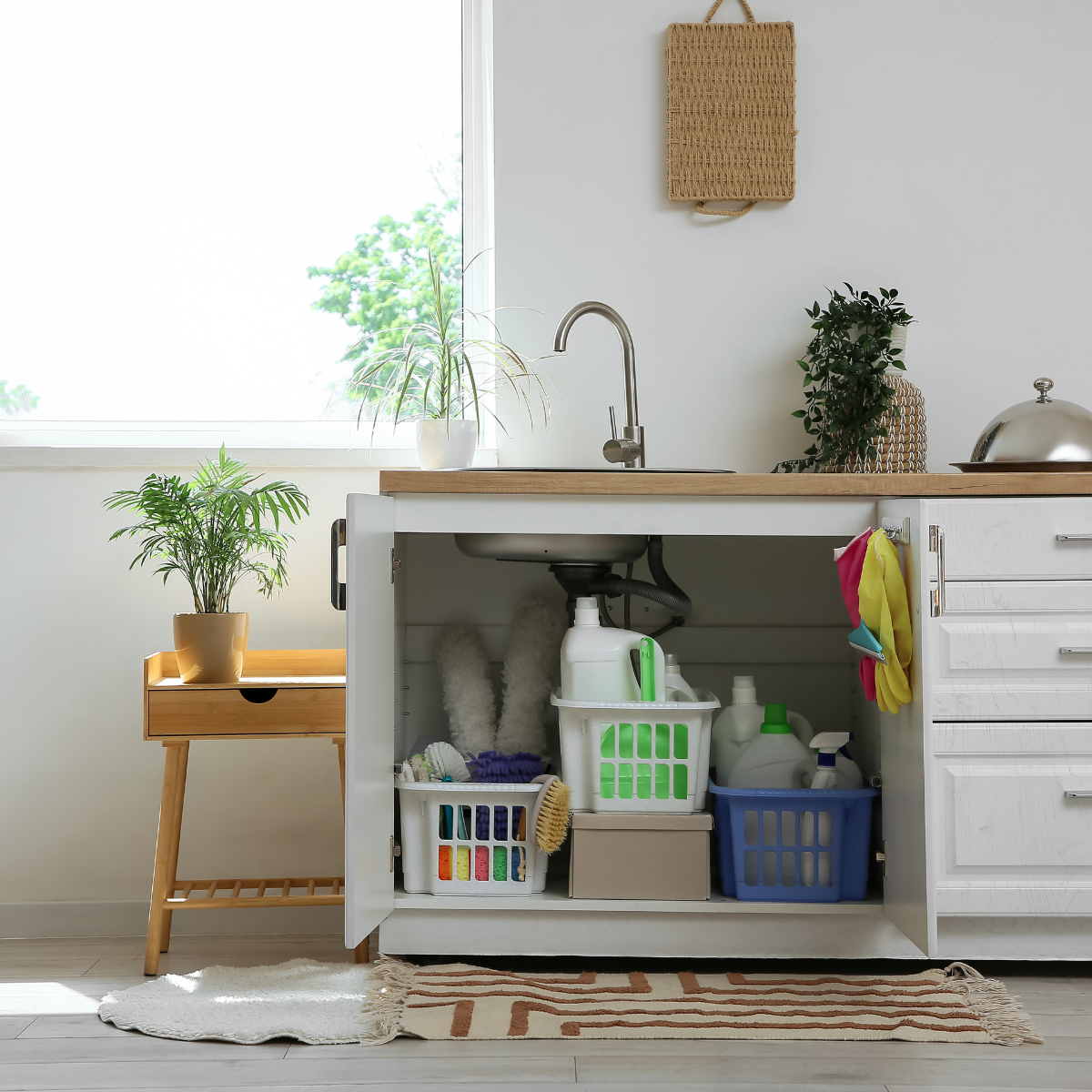
Bathrooms often become home to half-used toiletries and forgotten products. Setting limits based on available storage helps prevent cupboards from becoming overcrowded.
Children's Toys
Toy baskets are excellent containers. If toys no longer fit inside them, it's usually time to sort through what is still being used and what can be donated.
Paperwork and Miscellaneous Drawers
Most homes have at least one drawer filled with random items. The Container Rule helps create boundaries so these spaces don't become permanent dumping grounds.
The Magic Question That Makes Decluttering Easier
One reason many people struggle with how to declutter your home is because every item feels like a separate decision.
Should you keep it?
Should you donate it?
What if you need it later?
The Container Rule simplifies the process by giving you a different question to ask: Does this fit comfortably within the container?
This small shift can make a huge difference. Rather than debating the future usefulness of every item, you're making decisions based on the reality of your available space.
It's a practical approach that reduces decision fatigue and makes clearing clutter feel much less overwhelming.
The rule also works particularly well alongside The One-In-One-Out Rule: The Easiest Way to Prevent Clutter from Coming Back. Once you've established limits with the Container Rule, the One-In-One-Out Rule helps maintain them.
When the Container Is Full: What to Do Next
Many people see a full drawer, shelf, or cupboard and assume they need more storage.
The Container Rule encourages a different response.
When a container becomes full, use it as an opportunity to reassess what's inside. Take everything out and decide what truly deserves the space.
Ask yourself:
- Do I use this regularly?
- Do I already own something similar?
- Would I buy this again today?
- Does it add value to my life?
Once you've selected the items that matter most, return only those to the container.
This process is particularly helpful if you're trying to declutter your home in 15 minutes a day or prefer slow decluttering rather than large-scale weekend clear-outs.
Common Mistakes That Break the Container Rule
Like many organization rules, the Container Rule only works when you respect the boundaries it creates.
One of the most common mistakes is buying more storage whenever a space becomes full. While additional storage sometimes has a place, it shouldn't be the automatic solution.
Another mistake is creating overflow areas. For example, a pile of items beside a basket isn't really part of the basket. It's simply clutter that's moved location.
Many people also struggle because they ignore their biggest clutter hotspots. Kitchen counters, dining tables, coffee tables, and hallway surfaces often attract piles of items throughout the week.
If this sounds familiar, you'll probably enjoy The Flat Surface Clutter Rule: Stop Piles Before They Start. It's one of the most useful companion rules for maintaining a tidy home.
Finally, be careful about making too many exceptions. The more exceptions you create, the less effective the system becomes.
A 10-Minute Container Rule Challenge
If you'd like to try the Container Rule today, start small.
Choose one container:
- A drawer
- A shelf
- A basket
- A cupboard
Empty it completely and look at everything inside.
Then decide what genuinely belongs there and what has simply accumulated over time. Return only the items that comfortably fit and remove the rest.
You don't need to tackle a whole house declutter or complete a 30 days declutter challenge to see results. Small wins build momentum, and momentum is often what makes the biggest difference.
Read These Next
- The Clutter Threshold Rule: How Much Stuff Is Too Much?
- The One-In-One-Out Rule: The Easiest Way to Prevent Clutter from Coming Back
- The Flat Surface Clutter Rule: Stop Piles Before They Start
Conclusion
The Container Rule is one of the simplest yet most effective rules for decluttering because it helps you work within the space you already have. Instead of constantly searching for more storage, you learn to create clear boundaries for your belongings.
Over time, those boundaries lead to less clutter, easier maintenance, and a calmer home.
Next Steps
"You don't have to declutter your entire home today. You just need to make one good decision."
Read This Next: The Clutter Threshold Rule: How Much Stuff Is Too Much?
Once you've learned how the Container Rule creates boundaries, the next step is understanding how much stuff your home can comfortably hold before it starts feeling stressful and overwhelming.