The 80/20 Decluttering Rule might explain why your wardrobe is full, your kitchen cupboards are bursting, and yet you seem to use the same handful of items every day. Sound familiar?
Most of us assume that because we own something, we must need it. However, when you take a closer look, you'll often discover that a small percentage of your belongings gets the majority of the use. The rest simply takes up space.
That's where the 80/20 Decluttering Rule comes in. It's a simple concept that can make decluttering decisions much easier because it helps you focus on what you actually use rather than what you think you should keep.
In this post, we'll look at how the rule works, why it makes decluttering home projects less overwhelming, and the common categories where most people own far more than they need.
If you've been looking for practical rules for decluttering, easy decluttering techniques, and a fresh perspective on clearing clutter, this might be exactly the mindset shift you need.
What Is the 80/20 Decluttering Rule?
The 80/20 Decluttering Rule is based on the Pareto Principle, which suggests that roughly 80% of results come from 20% of causes.
When applied to your home, it often means that you use around 20% of your belongings 80% of the time.
Now, the numbers aren't meant to be exact. You don't need to count every item in your house. The point is simply that most of us regularly use a relatively small portion of what we own.
Think about your wardrobe. Chances are you wear the same favourite outfits on repeat while dozens of other items sit untouched. The same principle applies to kitchen gadgets, books, toiletries, hobby supplies, and countless other categories.
This is one of the most useful rules for organizing because it helps remove guilt from the decluttering process. Instead of focusing on what you're getting rid of, you start focusing on what you genuinely use and enjoy.
9 Things You Probably Own Too Much Of
1. Clothes You Rarely Wear
Most people don't wear every item in their wardrobe equally.
There are usually a few favourite tops, jumpers, jeans, or dresses that get worn again and again. Meanwhile, other items stay hidden at the back of the wardrobe for months or even years.
That doesn't necessarily mean you need a minimalist capsule wardrobe. However, it does mean it's worth asking yourself whether those neglected items are earning their place.
If you're struggling with clothing clutter, this is often one of the biggest signs you need to declutter.
2. Kitchen Gadgets You Forgot You Had
The kitchen is often a goldmine of unused items.
That avocado slicer.
The bread maker you used twice.
The smoothie gadget you were convinced would change your life.
Many of us buy kitchen tools with good intentions. Unfortunately, good intentions don't automatically translate into regular use.
The 80/20 Decluttering Rule encourages you to identify which tools you actually reach for and which ones are simply taking up valuable storage space.
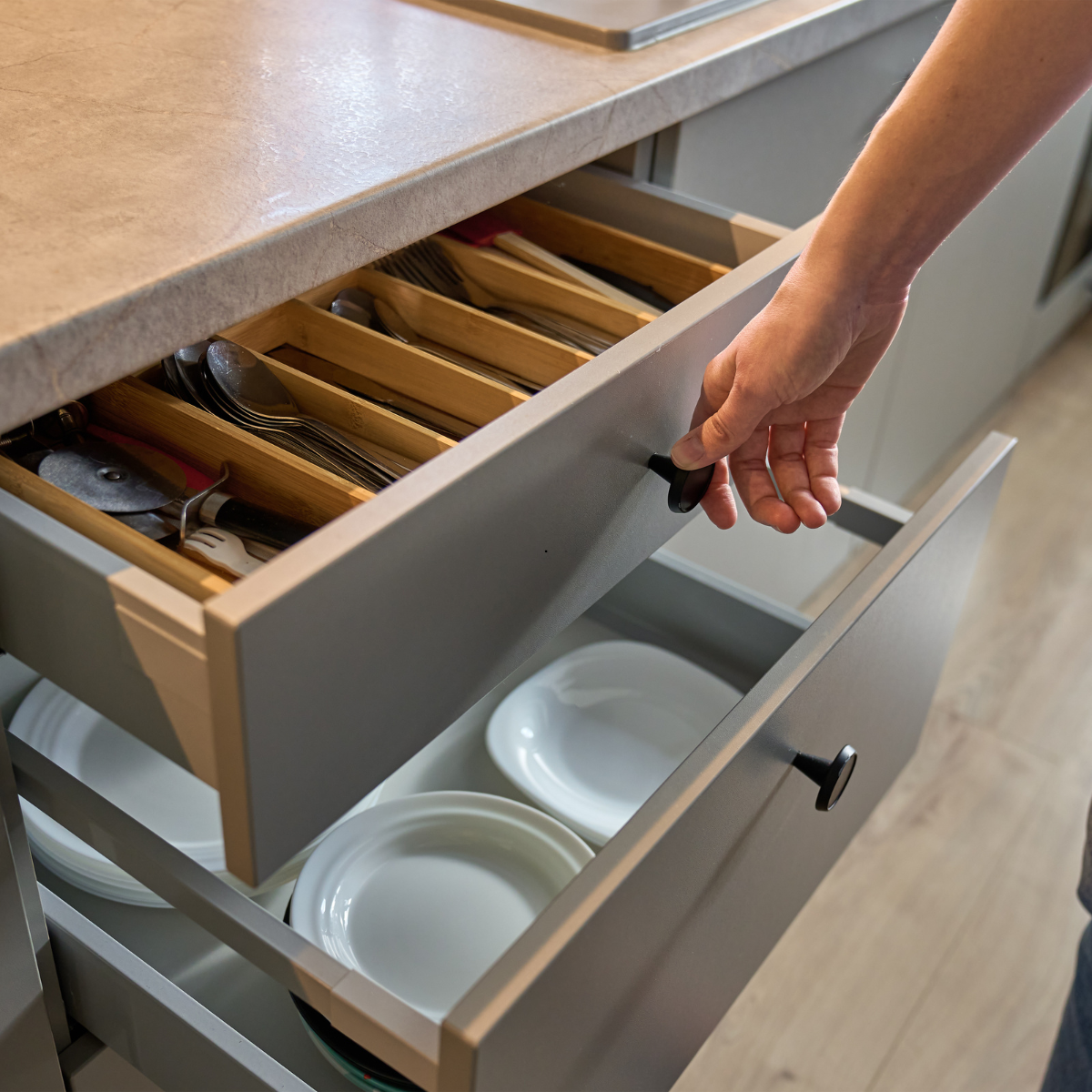
3. Mugs, Glasses and Water Bottles
For some reason, these items multiply faster than rabbits.
Most households have a small group of favourite mugs that get used every day, while dozens of others sit untouched.
The same often applies to reusable water bottles, travel cups, and drinking glasses.
If your cupboards are overflowing, this can be an easy category to tackle first.
4. Toiletries and Beauty Products
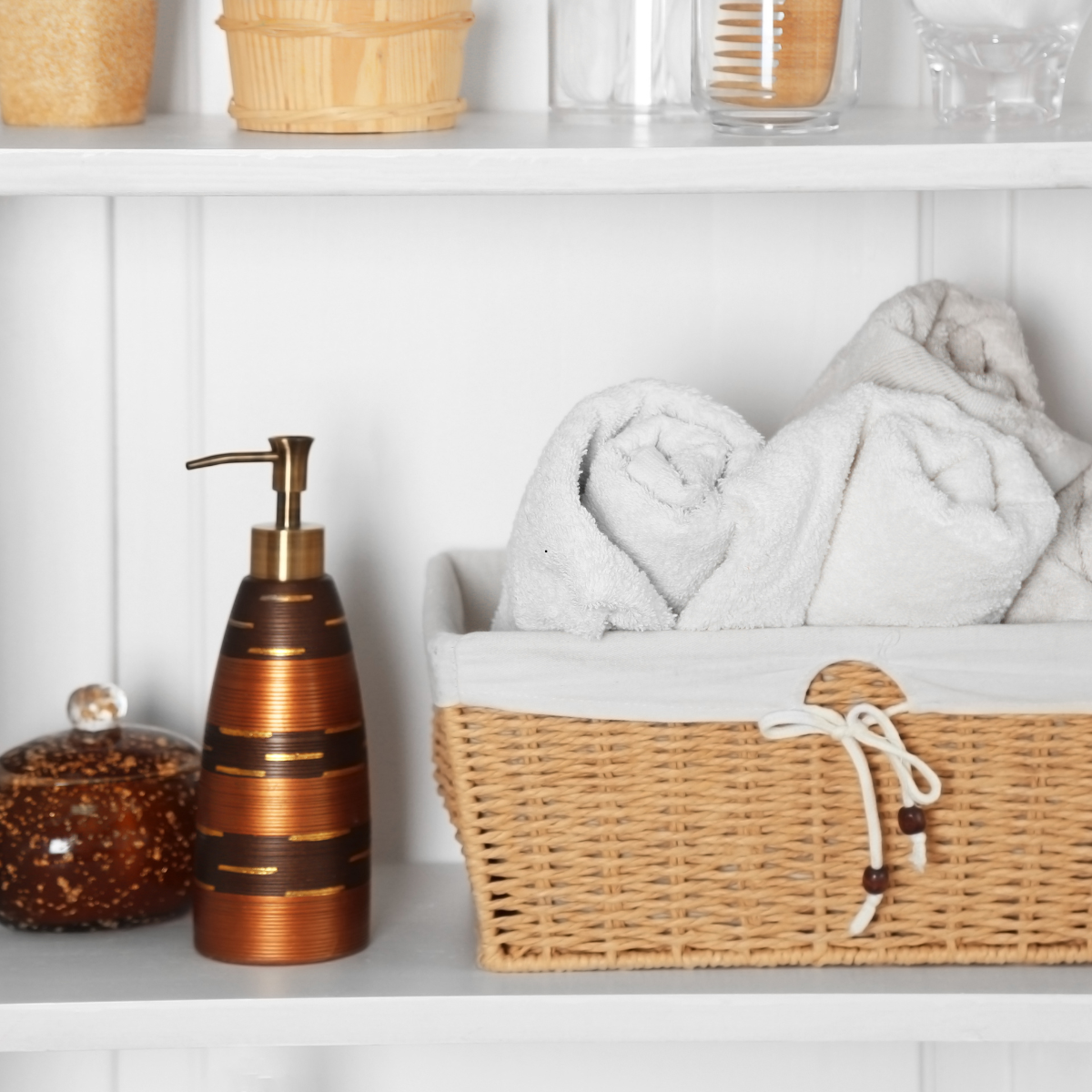
Bathrooms are full of products that seemed like a brilliant idea at the time.
Half-used shampoos.
Face creams that didn't quite work.
Lipsticks in almost identical shades.
Many of these items linger long after we've stopped using them.
A quick audit of your bathroom can often reveal how much space is being taken up by things you've already mentally moved on from.
5. Books You'll Probably Never Read Again
Books can be emotional.
Some remind us of who we were.
Others represent who we hoped to become.
However, not every book needs to stay forever.
That doesn't mean you need to clear every shelf. It simply means giving yourself permission to keep the books you genuinely value while letting go of the ones that no longer serve a purpose.
6. Hobby Supplies for Your Fantasy Self
This category catches a lot of people out.
Craft supplies.
Fitness equipment.
DIY materials.
Unused planners.
Language-learning books.
These items often belong to a future version of ourselves rather than the person we are today.
While change is hard, it's important to be honest about which hobbies genuinely bring you joy and which ones are creating clutter.
7. Paperwork You No Longer Need
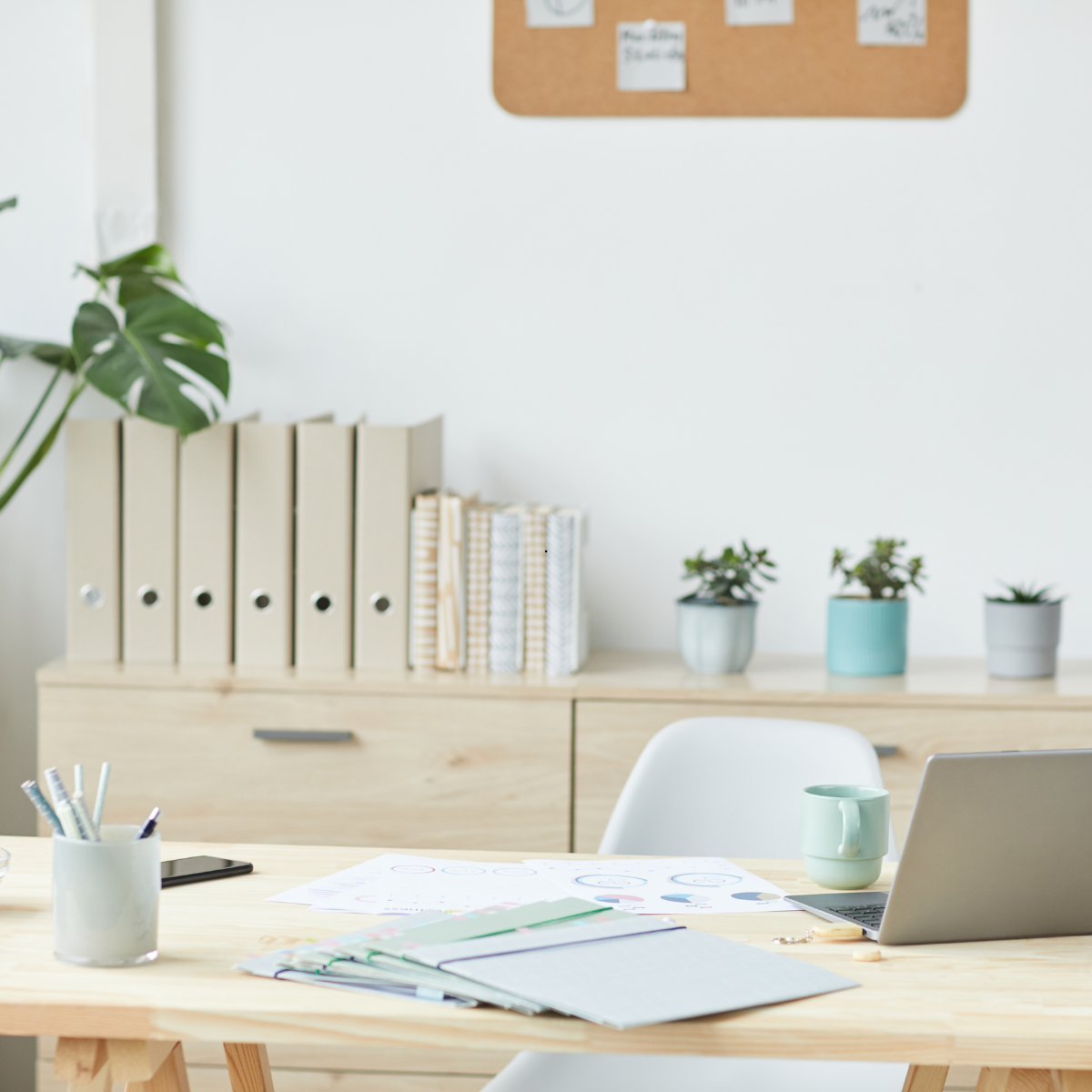
Many households keep far more paperwork than necessary.
Old manuals.
Expired warranties.
Receipts from years ago.
Random piles of paper that seem too important to throw away but not important enough to organise.
Paper clutter tends to build slowly, which is why it often goes unnoticed until it becomes overwhelming.
8. Home Décor You've Stopped Noticing
Sometimes we become so used to our surroundings that we stop questioning whether everything still belongs there.
Decorations that once felt meaningful can eventually become visual clutter.
Removing a few unused decorative items can often make a room feel lighter, calmer, and easier to maintain.
This is one of those decluttering tips clutter free home enthusiasts often overlook.
9. Duplicate Items "Just in Case"
Duplicate items are everywhere.
Extra chargers.
Spare scissors.
Backup stationery.
Multiple storage containers.
While having a few backups makes sense, many households accumulate far more than they realistically need.
The 80/20 Decluttering Rule encourages you to identify how many duplicates are genuinely useful and how many are simply taking up space.
Why the 80/20 Decluttering Rule Makes Decluttering Easier
One reason this rule works so well is because it shifts your focus.
Instead of asking:
"What should I get rid of?"
You start asking:
"What do I actually use?"
That subtle change makes decisions easier because you're concentrating on the value your belongings bring rather than the guilt attached to letting them go.
It also helps you stay below your personal clutter limit. If you'd like to understand that concept better, The Clutter Threshold Rule: How Much Stuff Is Too Much? is a great next read.
How to Combine the 80/20 Rule with Other Decluttering Rules
The 80/20 Decluttering Rule is powerful on its own, but it becomes even more effective when combined with other organization rules.
Use It with the Container Rule
The 80/20 Rule helps you identify what you actually use.
The Container Rule helps you decide how much space those items deserve.
Together, they create a simple system for managing possessions.
You can learn more in The Container Rule: The Decluttering Secret That Stops Clutter Before It Starts.
Use It with the One-In-One-Out Rule
Once you've reduced excess belongings, you'll want to stop clutter from returning.
That's where The One-In-One-Out Rule: The Easiest Way to Prevent Clutter from Coming Back comes in.
It's one of the simplest basic house rules for maintaining a tidy home long term.
A Quick 80/20 Challenge
Choose one category today.
It could be:
- Clothes
- Mugs
- Books
- Toiletries
- Kitchen gadgets
Then ask yourself:
Which 20% do I actually use most often?
Separate those favourites from everything else.
You don't have to declutter immediately. Simply seeing the difference can be incredibly eye-opening.
Read These Next
- The Container Rule: The Decluttering Secret That Stops Clutter Before It Starts
- The Clutter Threshold Rule: How Much Stuff Is Too Much?
- The One-In-One-Out Rule: The Easiest Way to Prevent Clutter from Coming Back
Conclusion
The 80/20 Decluttering Rule helps you focus on what genuinely adds value to your life rather than holding onto everything by default. Once you realise how little of your stuff you regularly use, decluttering becomes far less overwhelming.
Start with one category and see what you discover.
Next Steps
"The goal isn't to own less. It's to make room for what matters most."
Read This Next: The Container Rule: The Decluttering Secret That Stops Clutter Before It Starts
Now that you've identified what you actually use, the next step is learning how to create boundaries that stop clutter from creeping back into your home.