The Clutter Threshold Rule explains something many people struggle to understand: why one home can feel calm and organised while another feels stressful and overwhelming, even when they contain roughly the same amount of stuff.
Have you ever looked around your home and thought, "I don't even own that much, so why does this place feel so chaotic?" If so, you're not imagining it. Clutter isn't just about how many possessions you own.
It's about how much clutter your space, and your brain, can comfortably handle before things start feeling unmanageable.
That's where the Clutter Threshold Rule comes in. It helps you identify the point where your belongings stop serving you and start creating extra work, stress, and frustration.
In this post, we'll look at the signs you've crossed your clutter threshold, why it matters, and what you can do if your home has started feeling harder to maintain.
If you're looking for practical rules for decluttering, realistic decluttering tips, and a better understanding of why clutter keeps coming back, you're in the right place.
What Is the Clutter Threshold Rule?
The Clutter Threshold Rule is the idea that everyone has a personal limit when it comes to clutter.
Once you go beyond that limit, your home starts feeling harder to manage. Cleaning takes longer, tidying feels endless, and everyday tasks require more effort than they should.
What's important to understand is that this threshold is different for everyone.
Some people are comfortable with shelves full of books, collections, and decorative items. Others feel stressed by visual clutter and prefer open surfaces and minimal décor.
The goal isn't to own a specific number of possessions. Instead, it's to identify the point where your belongings begin creating more stress than value.
That's why this is one of the most useful rules for organizing your home. It encourages you to focus on how your space feels rather than comparing yourself to anyone else.
9 Signs You've Crossed Your Clutter Threshold
1. Tidying Never Seems to Make a Difference
Do you feel like you're constantly tidying but never actually getting ahead?
You spend twenty minutes putting things away, only to find the room looks messy again a few hours later.
This is often one of the biggest signs you need to declutter.
When there are simply too many items in a space, maintenance becomes much harder. You're not failing at tidying. You're trying to manage more belongings than your home can comfortably support.
2. Every Surface Collects Clutter
Kitchen counters.
Dining tables.
Coffee tables.
Bedside cabinets.
If every flat surface in your home seems to attract piles of random items, you've probably crossed your clutter threshold.
Flat surfaces are often the first places to show signs of clutter overload because they become convenient drop zones.
This is exactly why The Flat Surface Clutter Rule: Stop Piles Before They Start is such a helpful companion rule. It tackles one of the earliest warning signs that clutter is getting out of control.
3. You Avoid Certain Rooms
Most homes have at least one problem area.
A spare bedroom.
A garage.
A loft.
A cupboard you open very carefully in case everything falls out.
When clutter becomes overwhelming, avoidance often follows.
Rather than dealing with the problem, we shut the door and promise ourselves we'll sort it out another day.
Unfortunately, that day rarely arrives on its own.
4. Simple Cleaning Takes Forever
One of the hidden costs of clutter is the extra cleaning it creates.
Before you can dust a shelf, you have to move everything on it.
Before you can vacuum a room, you have to move items off the floor.
Before you can wipe a worktop, you have to clear it first.
The more stuff you own, the more work every cleaning task requires.
That's why many cleaning tips for decluttering your home focus on reducing clutter before tackling deep cleaning.
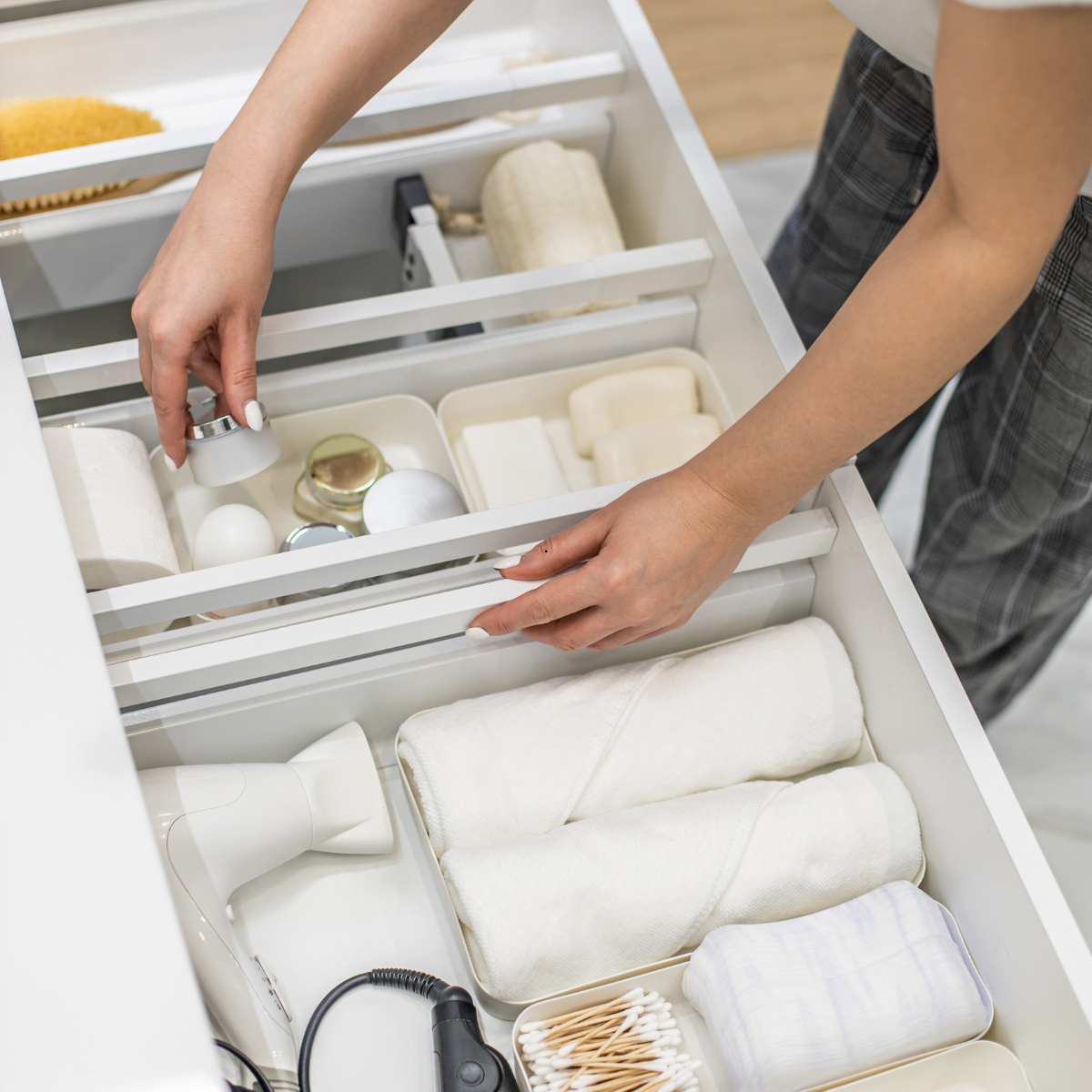
5. You Struggle to Put Things Away
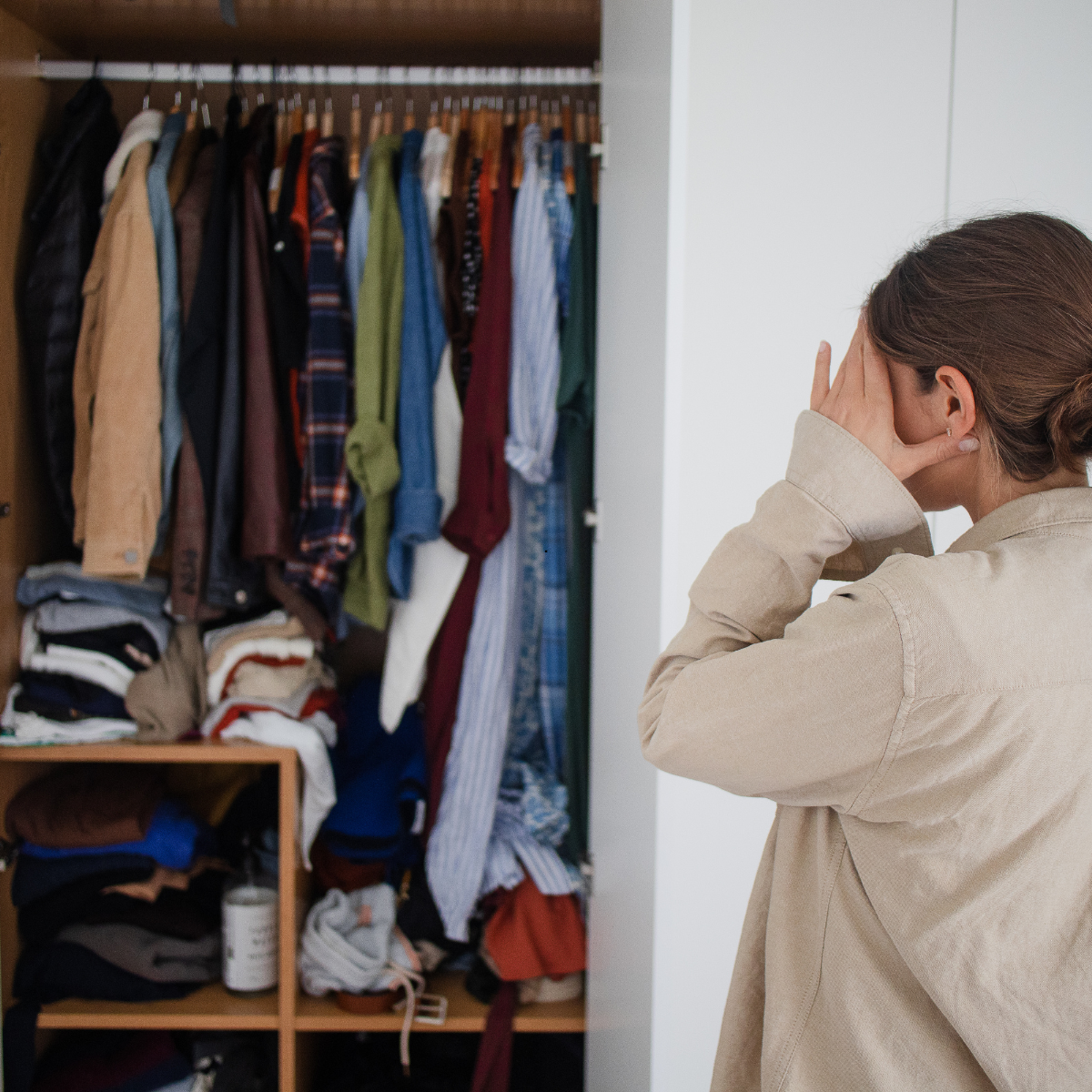
A common sign that you've exceeded your clutter threshold is that nothing seems to fit anymore.
Wardrobes are packed.
Drawers are overflowing.
Cupboards are crammed full.
Putting things away becomes difficult because there's no available space.
This is where The Container Rule: The Decluttering Secret That Stops Clutter Before It Starts can be incredibly helpful. It teaches you to let your available storage space set limits on how much you keep.
Together, these two organization rules create a much more manageable home.
6. You Frequently Buy Duplicates
Have you ever bought something only to discover you already owned one?
Or perhaps three?
Duplicate purchases are often a symptom of clutter rather than forgetfulness.
When belongings become difficult to see, access, or organise, it's easy to lose track of what you already have.
This is especially common with:
- Toiletries
- Stationery
- Cleaning supplies
- Chargers and cables
- Kitchen tools
7. Your Home Feels Mentally Draining
Clutter doesn't just take up physical space.
It takes up mental space too.
Even when you're not actively thinking about it, your brain is constantly processing your environment.
Visual clutter can create a sense of unfinished business, making it harder to relax and switch off.
That's why many people feel calmer almost immediately after clearing clutter, even if they've only tackled a small area.
8. You Feel Guilty About Your Home
This one can be difficult to admit.
Perhaps you avoid inviting people over.
Maybe you apologise for the state of your house whenever visitors arrive.
Or perhaps you constantly tell yourself you should be doing better.
If clutter is making you feel ashamed, it's worth remembering that this is a practical problem—not a personal failure.
Many people cross their clutter threshold without even realising it.
9. Decluttering Feels Impossible
Ironically, one of the clearest signs you've crossed your clutter threshold is that decluttering feels too overwhelming to start.
You don't know where to begin.
Every room feels like a project.
Every decision feels exhausting.
The good news is that you don't have to tackle everything at once.
In fact, if you're noticing several of the signs in this list, you'll probably find value in reading 15 Signs It's Time to Declutter Your Home (Even If You Think It's Fine) next. It provides even more clues that your home may be ready for a reset.
How to Lower Your Clutter Threshold Stress
The goal isn't necessarily to become a minimalist.
Instead, focus on reducing the amount of stuff your home is trying to manage.
A few simple starting points include:
- Start with one small area.
- Focus on easy wins first.
- Remove obvious rubbish and duplicates.
- Create space before buying more storage.
- Celebrate progress instead of perfection.
Remember, change is hard, especially when you're attached to your belongings. However, every item you remove makes your home slightly easier to maintain.
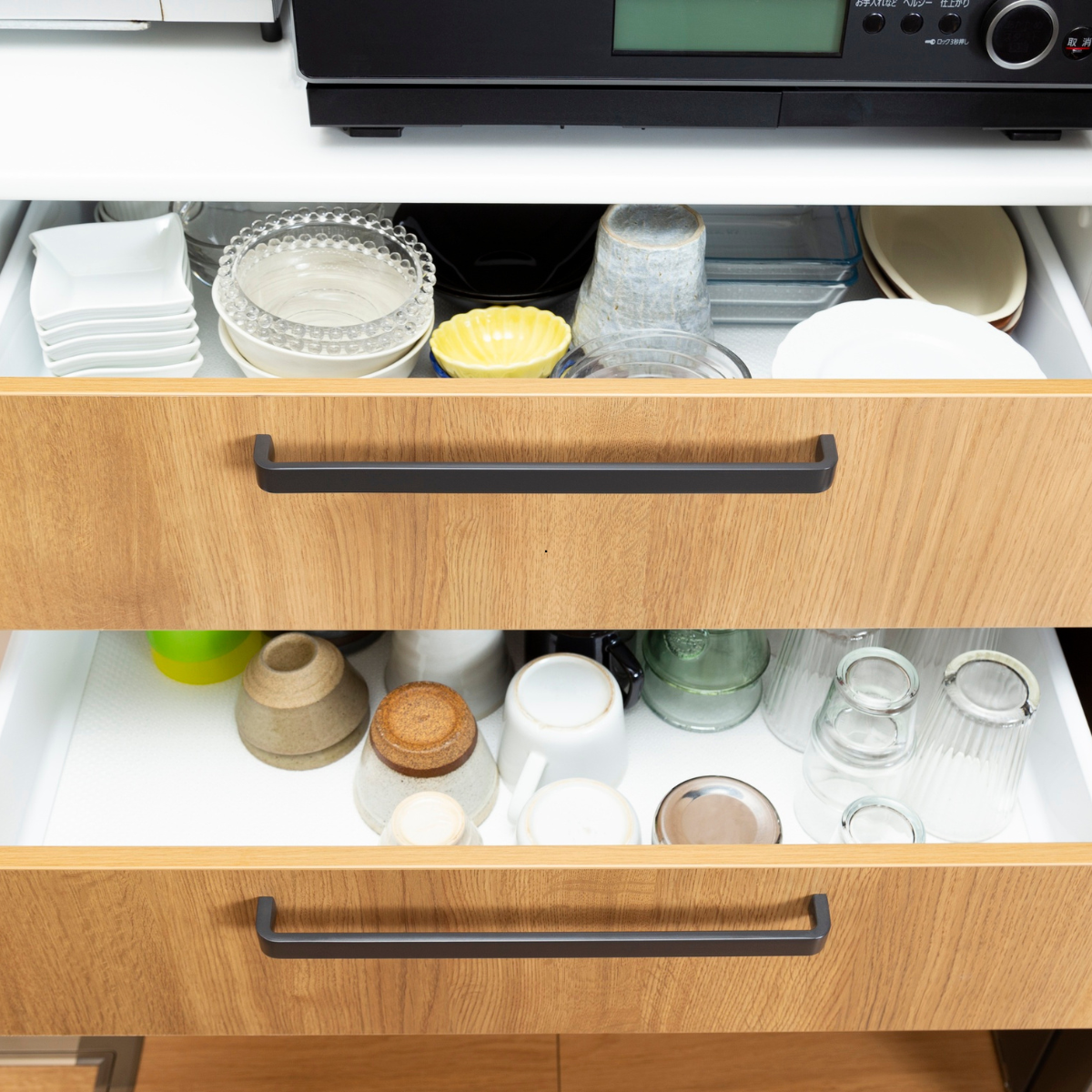
A Quick Clutter Threshold Check
Choose one room in your home.
Then ask yourself:
- Does this room feel calm or stressful?
- Are surfaces mostly clear?
- Can I easily put things away?
- Does cleaning feel straightforward?
- Do I enjoy spending time here?
If several answers are "no," you've probably identified a room that's operating above your clutter threshold.
The good news is that awareness is the first step towards change.
Read These Next
- The Container Rule: The Decluttering Secret That Stops Clutter Before It Starts
- The Flat Surface Clutter Rule: Stop Piles Before They Start
- 15 Signs It's Time to Declutter Your Home (Even If You Think It's Fine)
Conclusion
The Clutter Threshold Rule reminds us that clutter isn't just about how much we own, it's about how much we can comfortably manage. When your belongings start creating stress, extra cleaning, and constant tidying, you've likely crossed your personal limit.
The solution isn't perfection. It's creating a home that feels easier to live in.
Next Steps
"Your home shouldn't feel like another item on your to-do list."
Read This Next: 15 Signs It's Time to Declutter Your Home (Even If You Think It's Fine)
Now that you understand the Clutter Threshold Rule, the next step is spotting the warning signs that clutter may be quietly affecting your home more than you realise.